Why Are Transit Authorities Shifting from Diesel to Modern Electric Buses?
Diesel buses have supported urban transportation for decades, but changing environmental targets and operating costs are influencing fleet replacement decisions. Transit authorities now consider the electric bus as an alternative for reducing street-level emissions, managing energy expenses, and improving passenger comfort. However, successful adoption requires more than replacing conventional engines with batteries.
Fleet managers must examine route length, passenger demand, charging capacity, and maintenance requirements before purchasing vehicles. Understanding these factors helps transport agencies identify suitable routes, estimate expenses, and develop practical fleet transition schedules.
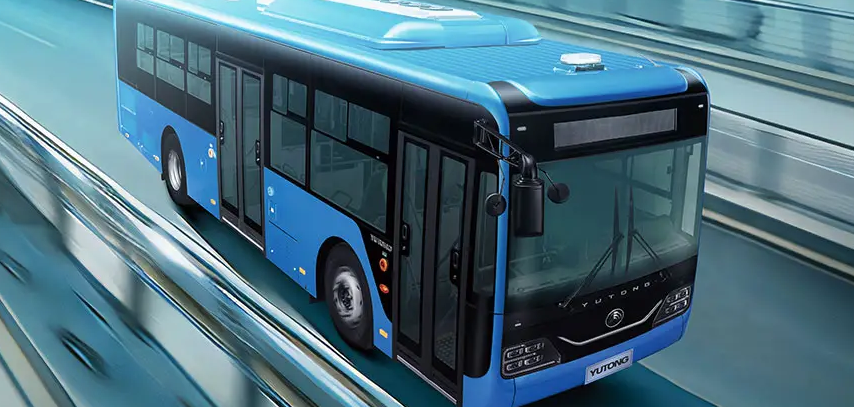
Environmental Requirements Are Changing Fleet Decisions
Urban buses operate repeatedly through residential districts, commercial streets, and crowded transport terminals. Diesel engines produce exhaust emissions during operation, including nitrogen oxides and particulate matter. Battery-electric vehicles eliminate tailpipe emissions, helping authorities address local air quality concerns along busy routes.
Environmental benefits also depend on electricity generation. Regions using cleaner power sources can achieve greater reductions in operational greenhouse gas emissions. Transport departments should therefore consider the local electricity mix when comparing vehicle technologies. Such assessments provide a clearer picture of environmental performance beyond the vehicle itself.
Public transport policies increasingly include emission targets and fleet renewal schedules. These requirements can influence vehicle specifications, procurement procedures, and funding decisions. Authorities should examine applicable regulations alongside existing service obligations before setting replacement dates.
Operating Costs Extend Beyond Vehicle Prices
Purchase price represents only one part of fleet expenditure. Diesel operators must budget for fuel, engine maintenance, lubricants, exhaust system repairs, and periodic component replacement. Electric vehicles remove several engine-related maintenance tasks, although battery systems, electrical components, and cooling equipment introduce different service requirements.
Energy prices also influence operating expenses. Electricity may provide financial advantages on predictable routes, particularly when charging occurs during favorable tariff periods. However, demand charges and charging losses can affect the actual expense. Operators should calculate energy consumption per kilometer using realistic passenger loads and route conditions.
Fleet evaluations should cover vehicle purchase, infrastructure installation, maintenance, energy, and expected operating life. Depreciation and financing arrangements also deserve consideration. Comparing these expenses over a consistent assessment period helps procurement teams determine whether anticipated operating savings justify higher initial investment.
Route Conditions Determine Practical Vehicle Selection
Daily distance strongly influences battery requirements. Routes with frequent departures, extended service hours, or limited depot access may need different charging arrangements. Fleet planners should record actual mileage, scheduled breaks, passenger loads, and seasonal changes before selecting vehicle configurations.
Frequent stopping creates additional energy-management opportunities. Regenerative braking can recover part of the vehicle’s kinetic energy during deceleration. However, recovery depends on driving conditions, battery acceptance, and control settings. Operators should evaluate representative routes rather than relying exclusively on laboratory consumption figures.
Temperature and terrain also influence energy demand. Heating, air conditioning, steep gradients, and heavy passenger loads can reduce practical driving range. Transport authorities should retain operational reserves when planning schedules and verify performance under conditions resembling their regular service.
Hybrid Technology Provides an Intermediate Option
Complete fleet electrification may require substantial infrastructure changes. Some transport operators therefore consider hybrid vehicles while preparing charging facilities and electrical connections. Hybrid technology combines combustion engines with electric propulsion components, allowing energy recovery without depending entirely on external charging infrastructure.
This approach is reflected in the H10 hybrid city bus offered by Yutong Bus. Its DMT hybrid system coordinates powertrain control, braking-energy recovery, and engine thermal management during city-route operation. These functions address repeated acceleration and braking, which are common in urban public transportation.
The vehicle remains a hybrid rather than a fully battery-electric model. Fuel-consumption improvements should be assessed against a clearly identified comparison vehicle under specified route or approved test conditions. Transit authorities can use such comparisons to evaluate intermediate fleet options without confusing hybrid operation with zero-tailpipe-emission transportation.
Charging Infrastructure Requires Early Coordination
Depot charging involves more than installing electrical equipment. Operators must assess available grid capacity, charger placement, vehicle parking arrangements, and charging schedules. Large fleets may require electrical upgrades before several vehicles can charge simultaneously.
Charging time should also match vehicle availability. Overnight charging may suit buses returning to depots after scheduled service. Vehicles operating extended shifts might require additional charging opportunities. Authorities should calculate required energy replenishment using expected consumption, charger output, and realistic charging windows.
Maintenance teams also need appropriate training and safety procedures. High-voltage systems require specialized inspection practices, while charging equipment needs routine servicing. Coordination between transport operators, electricity providers, and maintenance contractors helps reduce deployment problems and unexpected service interruptions.
A Practical Direction for Fleet Renewal
Transitioning from diesel transportation requires careful coordination between environmental objectives and daily operating needs. The electric bus can reduce local exhaust emissions and certain maintenance requirements, but successful deployment depends on suitable routes, charging infrastructure, and realistic financial assessments.
Manufacturers such as Yutong Bus offer vehicle technologies covering different public transportation requirements, including hybrid and fully electric options. Transit authorities should compare these configurations against operating conditions, request relevant performance documentation, and plan infrastructure investment before committing to fleet replacement.