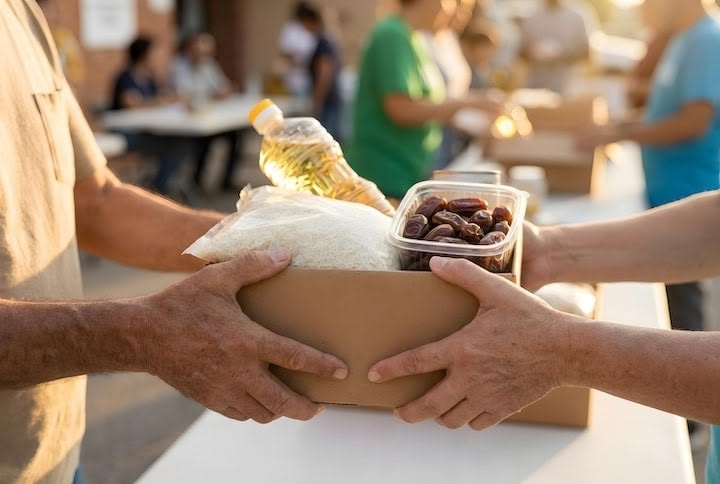
Creating A Culture Of Giving Through Food Donation In Denver
A strong community is often built through simple acts that connect people with the needs of their neighbors. Donating food is one of the most practical examples. A few pantry staples, fresh groceries, or items collected through a neighborhood food drive can become meaningful support for individuals and families who are experiencing difficult circumstances.
Creating a culture of giving means moving beyond occasional generosity and making community support part of everyday life. Food donation in Denver can contribute to this culture by giving residents, schools, workplaces, faith communities, and local organizations an accessible way to participate in hunger relief.
Making Giving Part Of Everyday Life
People sometimes associate charitable giving with major fundraising campaigns or holiday drives. While these efforts are valuable, community needs continue throughout the year. Regular donations can help create a more consistent source of support.
Food giving does not necessarily require a large contribution. A household might purchase several additional shelf-stable products during a grocery trip. A workplace could maintain a collection box where employees contribute throughout the month. Schools can organize food drives that introduce students to the importance of community involvement.
When these activities become routine, donating starts to feel less like a special event and more like a normal part of community life.
Supporting Neighbors Through Local Action
One of the most meaningful aspects of donating locally is the connection between the giver and the community being supported. Food contributed in the Denver area can help organizations maintain resources for people who may be experiencing financial pressure or difficulty keeping enough food at home.
Local giving also creates opportunities for people to understand challenges within their own communities. Hunger and food insecurity are not always visible. A household can appear financially stable while dealing with rising living expenses, an unexpected medical bill, reduced working hours, or another sudden change.
Food donations provide a practical way for community members to respond to these circumstances with useful assistance.
Building Stronger Community Connections
A culture of giving becomes stronger when participation extends beyond individuals. Businesses, schools, neighborhood groups, and community organizations can all help make food donation more visible and accessible.
A company might organize an employee food drive. A school could encourage families to contribute specific pantry items. Neighborhood associations might coordinate seasonal collections, while local groups can use community events as opportunities to gather food.
These efforts do more than collect groceries. They bring people together around a shared purpose. Participants see that addressing hunger is not solely the responsibility of charities or government programs. Community members themselves can contribute to creating a stronger local support network.
Donating With Purpose
Effective food giving involves paying attention to what recipient organizations actually need. Before collecting items, donors can review the current guidelines of the organization they plan to support. This helps ensure donations are useful and suitable for distribution.
Commonly requested products may include shelf-stable foods such as canned vegetables, beans, rice, pasta, cereal, peanut butter, and other everyday pantry essentials. Some organizations may also accept fresh produce or particular household necessities depending on their facilities and programs.
Checking expiration dates and packaging is equally important. Donating items that people would feel comfortable serving in their own homes helps keep the focus on dignity as well as practical assistance.
Encouraging The Next Generation To Give
Children and young adults can play an important role in building a lasting culture of generosity. Food drives provide a straightforward way to introduce younger people to community service.
Parents can involve children in selecting items at the grocery store and explain where the food will go. Schools can connect donation campaigns with conversations about community responsibility and compassion. Youth organizations can organize collections as part of service projects.
These experiences can help young people recognize that giving does not always depend on having significant money or resources. Participation itself has value.
Keeping Community Support Going Throughout The Year
Food donation campaigns often receive greater attention around major holidays, but families can face food insecurity during every season. Summer vacations, back-to-school expenses, changing employment situations, and rising household costs can all create periods of financial strain.
Maintaining food donation efforts throughout the year can therefore be especially valuable. Families might set a monthly donation goal, businesses could schedule quarterly drives, and community organizations could organize collections during traditionally quieter periods. Consistency turns isolated charitable actions into an ongoing community habit.
Creating A More Supportive Denver
A culture of giving develops when people recognize that even modest contributions can become significant when an entire community participates. One bag of groceries may seem small, but hundreds of households making similar contributions can help keep local food assistance programs supplied.
Many organizations provide opportunities for community members to contribute food and support hunger relief efforts in the Denver metropolitan area. Connecting with established local organizations can help donors understand what is currently needed and where their contributions can be most useful.
Ultimately, creating a culture of giving is about making generosity consistent, practical, and accessible. Through regular food donations, organized community drives, and greater awareness of local needs, Denver residents can help strengthen the network of support available to their neighbors and make community care an everyday practice.