10 Tips to Optimize Energy Containers Round-Trip Efficiency
Round-trip efficiency is one of the most important performance indicators for modern energy storage projects. It measures how much usable electricity remains after energy is stored and later discharged, making it a key factor when evaluating the economic and operational value of storage systems. Large-scale applications depend on efficient energy management because every energy loss can influence system performance. An optimized energy container requires careful consideration of battery technology, system design, operating conditions, and maintenance strategies. Great Power provides energy storage solutions designed for large-scale applications, supporting different requirements in commercial and industrial energy scenarios.1. Select High-Performance Battery TechnologyBattery selection directly affects the efficiency of an energy storage system. Different battery technologies have different characteristics related to energy conversion, charging behavior, lifespan, and operational stability.High-quality lithium-ion batteries are commonly used in large-scale storage applications because they provide strong efficiency and flexible deployment options. Choosing a reliable battery platform helps reduce unnecessary energy losses during charging and discharging cycles.A suitable industrial battery storage solution should match the project’s power requirements, operating environment, and expected usage patterns. Proper technology selection creates a foundation for maintaining strong round-trip efficiency throughout the system lifecycle.2. Improve Battery Management System PerformanceThe battery management system plays an essential role in controlling storage operations. It monitors battery conditions, manages charging and discharging processes, and helps maintain balanced performance among battery modules.An advanced management system can improve energy utilization by reducing inefficient operation caused by imbalance between battery cells. Accurate monitoring also helps operators identify potential issues before they affect system performance.A well-designed energy container relies on intelligent control strategies to maintain stable operation. The combination of reliable hardware and effective management software supports better energy flow control.3. Optimize Charging and Discharging StrategiesCharging and discharging schedules have a direct influence on round-trip efficiency. Operating batteries under suitable conditions helps reduce unnecessary losses and improves overall system performance.Storage operators should develop strategies based on energy demand, renewable energy generation patterns, and grid requirements. Avoiding inefficient charging cycles can help preserve battery performance over time.An optimized operating strategy allows an energy container to deliver more usable electricity from the stored energy. This approach is especially important for projects that require frequent energy cycling.4. Maintain Proper Temperature ControlTemperature management is a critical factor in battery efficiency. Extreme temperatures can affect battery performance, charging efficiency, and long-term reliability.Energy storage systems require effective thermal management to maintain suitable operating conditions. Cooling and heating systems should be designed according to the application environment and system requirements.Proper temperature control helps reduce energy losses caused by inefficient battery operation. It also supports more consistent performance during different seasons and operating conditions.5. Reduce Energy Losses During Power ConversionPower conversion equipment connects batteries with external electrical systems. Energy losses during this process can influence the final round-trip efficiency of the entire storage solution.Selecting efficient power conversion systems and ensuring proper system integration can improve overall energy utilization. The design of electrical connections, the PCS, transformers, auxiliary loads, and control systems should be evaluated during project planning.A complete industrial battery storage project requires coordination between battery modules, power electronics, and energy management systems. Each component contributes to the final efficiency performance.6. Match System Loading to Documented Efficiency CurvesModular designs provide flexibility for expanding storage capacity and improving system management. Instead of creating a completely customized installation, modular solutions allow operators to adjust capacity according to changing energy requirements.A modular design can simplify component replacement, although maintenance without a full-system shutdown depends on the electrical architecture and isolation design. This approach supports stable operation and reduces potential downtime.Great Power’s MAX-20HC-5000 lists DC-side RTE of 96% at 0.25P and 95% at 0.5P, illustrating why the operating point must accompany any RTE value. The company focuses on battery technology and storage capabilities that meet different energy management needs.7. Perform Regular System MonitoringContinuous monitoring helps identify efficiency problems before they become major operational challenges. Data from batteries, power conversion equipment, and control systems provides valuable information about system performance.Operators can use monitoring results to adjust operating strategies and improve energy utilization. Regular analysis also supports preventive maintenance and helps maintain consistent efficiency.A well-monitored industrial battery storage system can achieve more reliable performance because operators have better visibility into system conditions.8. Minimize Standby Energy ConsumptionEnergy storage systems consume auxiliary energy during standby and active operation through thermal management, monitoring, controls, pumps, fans, and other equipment. Auxiliary equipment, monitoring systems, and temperature control components all contribute to standby consumption.Reducing auxiliary consumption can improve net system efficiency, but RTE comparisons should state whether measurements are taken on the AC or DC side and whether auxiliary loads are included. Efficient component selection and intelligent control methods help minimize energy waste.The design of an energy container should consider not only active operation but also idle periods. Lower standby losses contribute to better long-term energy performance.9. Consider Installation EnvironmentThe surrounding environment influences storage efficiency and system reliability. Factors such as temperature, humidity, location conditions, and accessibility can affect operational performance.A suitable installation location helps maintain stable system conditions and simplifies maintenance activities. Proper planning during deployment reduces challenges that may impact efficiency.Energy storage projects should evaluate environmental requirements before installation. A carefully selected location supports better performance throughout the system’s service life.10. Choose an Experienced Energy Storage PartnerCompare RTE under the same power level, temperature, SOC window, and measurement boundary before evaluating different systems. A qualified provider can support customers with technology selection, system integration, and application planning.Companies evaluating storage projects should consider battery expertise, product capabilities, and long-term technical support. The right partner helps ensure that the storage system is designed for practical operational requirements.A reliable energy container solution requires more than individual components. Successful projects depend on the coordination of battery technology, system engineering, and efficient operation strategies.ConclusionImproving energy storage round-trip efficiency requires attention to battery selection, system design, operating methods, and long-term management. Each optimization step contributes to reducing energy losses and increasing the value of storage investments.Industrial users seeking efficient storage solutions should evaluate every part of the system, from battery performance to environmental conditions. Advanced technology and proper operation strategies can help storage projects achieve stronger reliability and energy utilization.Future energy systems will place greater importance on efficient storage performance. Selecting suitable solutions such as advanced industrial battery storage platforms can help businesses build more flexible and effective energy infrastructure.
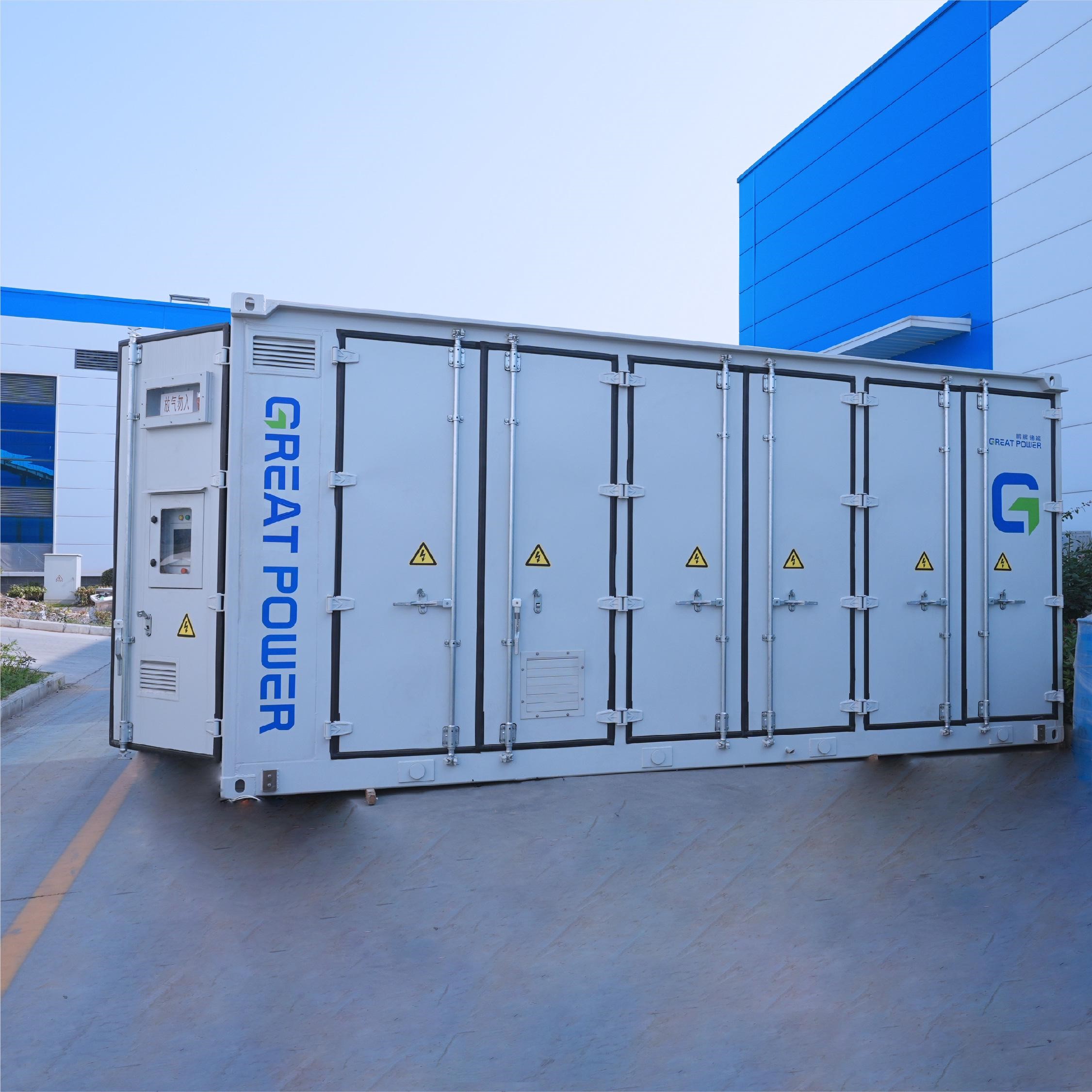 Large-scale applications depend on efficient energy management because every energy loss can influence system performance. An optimized energy container requires careful consideration of battery technology, system design, operating conditions, and maintenance strategies. Great Power provides energy storage solutions designed for large-scale applications, supporting different requirements in commercial and industrial energy scenarios.1. Select High-Performance Battery TechnologyBattery selection directly affects the efficiency of an energy storage system. Different battery technologies have different characteristics related to energy conversion, charging behavior, lifespan, and operational stability.High-quality lithium-ion batteries are commonly used in large-scale storage applications because they provide strong efficiency and flexible deployment options. Choosing a reliable battery platform helps reduce unnecessary energy losses during charging and discharging cycles.A suitable industrial battery storage solution should match the project’s power requirements, operating environment, and expected usage patterns. Proper technology selection creates a foundation for maintaining strong round-trip efficiency throughout the system lifecycle.2. Improve Battery Management System PerformanceThe battery management system plays an essential role in controlling storage operations. It monitors battery conditions, manages charging and discharging processes, and helps maintain balanced performance among battery modules.An advanced management system can improve energy utilization by reducing inefficient operation caused by imbalance between battery cells. Accurate monitoring also helps operators identify potential issues before they affect system performance.A well-designed energy container relies on intelligent control strategies to maintain stable operation. The combination of reliable hardware and effective management software supports better energy flow control.3. Optimize Charging and Discharging StrategiesCharging and discharging schedules have a direct influence on round-trip efficiency. Operating batteries under suitable conditions helps reduce unnecessary losses and improves overall system performance.Storage operators should develop strategies based on energy demand, renewable energy generation patterns, and grid requirements. Avoiding inefficient charging cycles can help preserve battery performance over time.An optimized operating strategy allows an energy container to deliver more usable electricity from the stored energy. This approach is especially important for projects that require frequent energy cycling.4. Maintain Proper Temperature ControlTemperature management is a critical factor in battery efficiency. Extreme temperatures can affect battery performance, charging efficiency, and long-term reliability.Energy storage systems require effective thermal management to maintain suitable operating conditions. Cooling and heating systems should be designed according to the application environment and system requirements.Proper temperature control helps reduce energy losses caused by inefficient battery operation. It also supports more consistent performance during different seasons and operating conditions.5. Reduce Energy Losses During Power ConversionPower conversion equipment connects batteries with external electrical systems. Energy losses during this process can influence the final round-trip efficiency of the entire storage solution.Selecting efficient power conversion systems and ensuring proper system integration can improve overall energy utilization. The design of electrical connections, the PCS, transformers, auxiliary loads, and control systems should be evaluated during project planning.A complete industrial battery storage project requires coordination between battery modules, power electronics, and energy management systems. Each component contributes to the final efficiency performance.6. Match System Loading to Documented Efficiency CurvesModular designs provide flexibility for expanding storage capacity and improving system management. Instead of creating a completely customized installation, modular solutions allow operators to adjust capacity according to changing energy requirements.A modular design can simplify component replacement, although maintenance without a full-system shutdown depends on the electrical architecture and isolation design. This approach supports stable operation and reduces potential downtime.Great Power’s MAX-20HC-5000 lists DC-side RTE of 96% at 0.25P and 95% at 0.5P, illustrating why the operating point must accompany any RTE value. The company focuses on battery technology and storage capabilities that meet different energy management needs.7. Perform Regular System MonitoringContinuous monitoring helps identify efficiency problems before they become major operational challenges. Data from batteries, power conversion equipment, and control systems provides valuable information about system performance.Operators can use monitoring results to adjust operating strategies and improve energy utilization. Regular analysis also supports preventive maintenance and helps maintain consistent efficiency.A well-monitored industrial battery storage system can achieve more reliable performance because operators have better visibility into system conditions.8. Minimize Standby Energy ConsumptionEnergy storage systems consume auxiliary energy during standby and active operation through thermal management, monitoring, controls, pumps, fans, and other equipment. Auxiliary equipment, monitoring systems, and temperature control components all contribute to standby consumption.Reducing auxiliary consumption can improve net system efficiency, but RTE comparisons should state whether measurements are taken on the AC or DC side and whether auxiliary loads are included. Efficient component selection and intelligent control methods help minimize energy waste.The design of an energy container should consider not only active operation but also idle periods. Lower standby losses contribute to better long-term energy performance.9. Consider Installation EnvironmentThe surrounding environment influences storage efficiency and system reliability. Factors such as temperature, humidity, location conditions, and accessibility can affect operational performance.A suitable installation location helps maintain stable system conditions and simplifies maintenance activities. Proper planning during deployment reduces challenges that may impact efficiency.Energy storage projects should evaluate environmental requirements before installation. A carefully selected location supports better performance throughout the system’s service life.10. Choose an Experienced Energy Storage PartnerCompare RTE under the same power level, temperature, SOC window, and measurement boundary before evaluating different systems. A qualified provider can support customers with technology selection, system integration, and application planning.Companies evaluating storage projects should consider battery expertise, product capabilities, and long-term technical support. The right partner helps ensure that the storage system is designed for practical operational requirements.A reliable energy container solution requires more than individual components. Successful projects depend on the coordination of battery technology, system engineering, and efficient operation strategies.ConclusionImproving energy storage round-trip efficiency requires attention to battery selection, system design, operating methods, and long-term management. Each optimization step contributes to reducing energy losses and increasing the value of storage investments.Industrial users seeking efficient storage solutions should evaluate every part of the system, from battery performance to environmental conditions. Advanced technology and proper operation strategies can help storage projects achieve stronger reliability and energy utilization.Future energy systems will place greater importance on efficient storage performance. Selecting suitable solutions such as advanced industrial battery storage platforms can help businesses build more flexible and effective energy infrastructure.