How to Choose an Avian Flu Test Kit for Veterinary and Public Health Laboratories
Navigating respiratory pathogen surveillance requires molecular reagents capable of delivering rapid, unambiguous results during potential zoonotic outbreaks. Public health laboratories face mounting pressure to process respiratory specimens efficiently while maintaining absolute diagnostic fidelity.
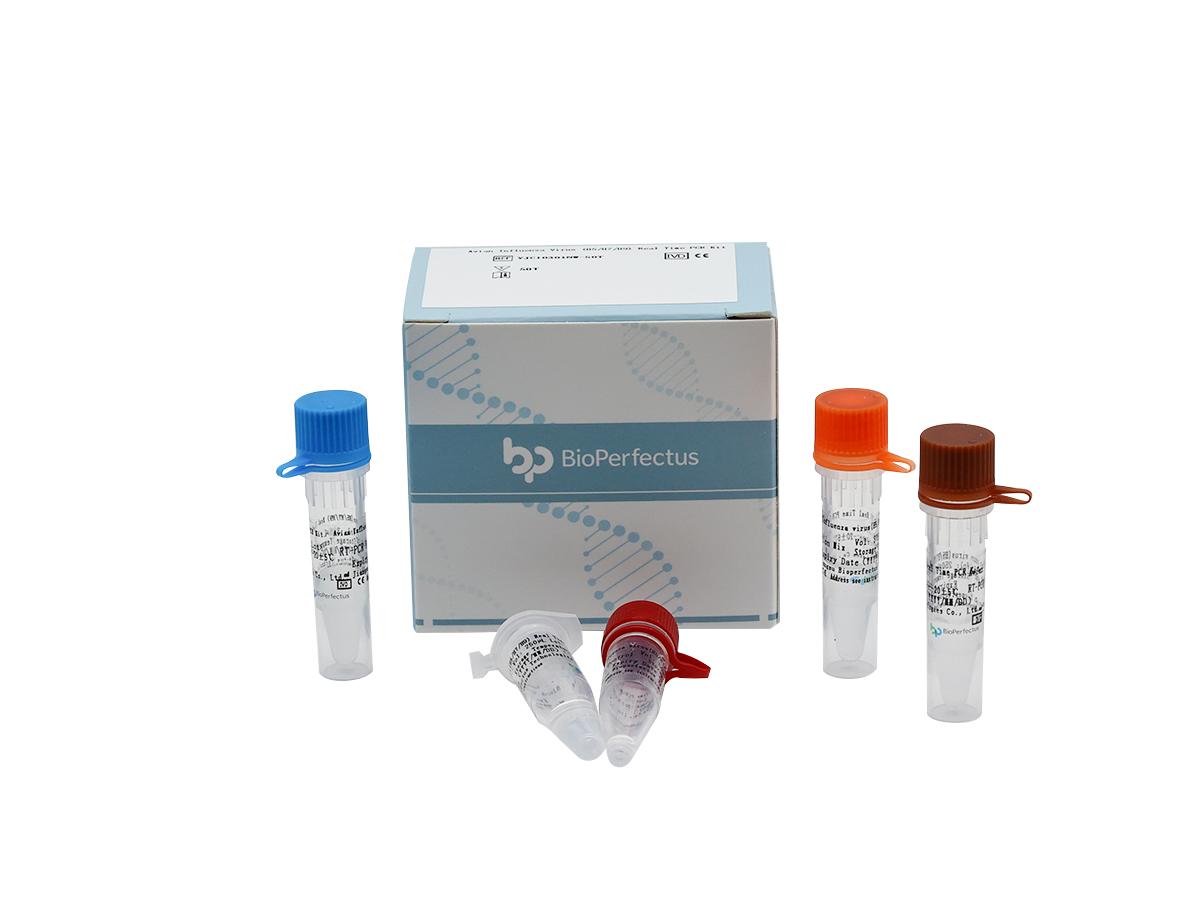
Selecting appropriate molecular assays involves scrutinizing analytical sensitivity, multiplex capabilities, and compatibility with existing instrument platforms. Reference centers handle diverse workloads, necessitating robust reagents that streamline laboratory throughput.
Operational Demands of Public Health Reference Testing
Laboratories evaluating molecular diagnostics must prioritize kits designed for high-stakes surveillance environments where cross-contamination risks carry severe epidemiological consequences.
Establishing rigorous screening protocols starts with understanding how different reagent architectures handle sample variability. Decision-makers evaluate thermal cycling parameters, reagent stability, and regulatory compliance standards governing testing facilities across jurisdictions.
Modern diagnostic frameworks demand high-throughput processing to manage surges in respiratory sample volumes effectively. Reagents utilizing fluorescent PCR technology provide simultaneous amplification and detection, reducing turnaround times significantly across diagnostic networks.
Solutions engineered to deliver results within seventy-nine minutes enable laboratories to issue timely reports to clinical and epidemiological stakeholders. Such operational speed impacts containment strategies.
Sample input volume represents another critical parameter influencing laboratory efficiency and reagent economy. Assays requiring minimal template volumes, such as a five microliter input, conserve precious clinical specimens while supporting reliable amplification across challenging sample matrices.
Compatibility with mainstream real-time PCR instruments ensures facilities can integrate new assays without investing in proprietary hardware. Flexibility across thermal cyclers optimizes expenditure.
Evaluating Multiplex Real-Time PCR Specifications and Workflow Efficiency
Differentiating specific viral strains is paramount when managing outbreaks involving pathogens capable of crossing species barriers. The avian influenza test kit selected for surveillance programs must accurately isolate distinct genetic targets like H5, H7, and H9 lineages.
Quality assurance protocols depend heavily on built-in internal controls that monitor extraction and amplification processes. These safeguards verify reaction validity and prevent reporting errors.
Cross-reactivity testing forms an essential pillar of analytical specificity, ensuring assays do not generate false signals in the presence of other common respiratory viruses.
A well-designed avian flu test kit eliminates non-specific binding, granting laboratory personnel total confidence in positive identifications. Incorporating internal reference controls safeguards against false negatives, maintaining strict data integrity across testing cycles.
Analytical sensitivity must be rigorously validated against low viral titer specimens to ensure early detection of emerging infections. Reference laboratories establish validation protocols challenging assays with diverse clinical backgrounds, including nasopharyngeal and oropharyngeal swab specimens.
Maintaining high specificity across varied genetic clades prevents misclassifications compromising public health responses. BioPerfectus ensures these rigorous standards are met in diagnostic testing suites.
Analytical Precision, Internal Controls, and Subtype Differentiation
Procurement officers and molecular biologists must evaluate logistical parameters such as storage requirements and kit shelf-life. Reagents maintained at standard frozen storage temperatures of minus twenty degrees Celsius with a twelve-month shelf-life offer stable inventory management for reference facilities. Packaging configurations, such as twenty-five or fifty tests per kit, allow laboratories to scale consumption based on seasonal testing demands.
When sourcing an advanced avian influenza test kit, laboratories examine batch-to-batch consistency and vendor technical support before committing to large-scale adoption.
Ensuring seamless integration into existing laboratory information systems further reduces administrative friction during peak testing cycles. Institutional buyers also assess whether suppliers provide comprehensive validation packages to facilitate regulatory clearance.
Manufacturers like BioPerfectus provide comprehensive solutions tailored to the rigorous demands of molecular laboratories. Institutional buyers evaluating these platforms must align assay specifications with local regulatory frameworks and intended clinical applications.
Establishing a standardized procurement checklist ensures chosen reagents meet high performance benchmarks, supporting robust public health defense mechanisms against emerging viral threats.
Optimizing Reagent Selection for Zoonotic Surveillance Networks
Investing in validated diagnostic platforms involves reviewing technical documentation, certificate analyses, and manufacturer-provided validation data.
Public health institutions benefit from establishing long-term partnerships with trusted IVD developers offering responsive scientific support and continuous product enhancements. Such collaborative frameworks ensure diagnostic laboratories remain resilient in the face of evolving biological challenges.
Deploying a reliable avian flu test kit empowers veterinary agencies to monitor animal reservoirs effectively before spillover events occur. Field teams require reagents maintaining stability during transport and field processing without compromising downstream amplification efficiency. Evaluating operational constraints guarantees uninterrupted surveillance continuity across decentralized regional testing hubs.
Successful selection hinges on balancing analytical performance with practical laboratory constraints and budgetary frameworks. Selecting an optimal avian influenza test kit requires weighing multiplex depth, protocol duration, and instrument versatility against institutional throughput requirements. By applying rigorous evaluation criteria, laboratory directors secure dependable diagnostic capabilities for epidemiological preparedness.
Ensuring Resilient Epidemiological Defense
Sustaining robust public health defense mechanisms demands continuous vigilance and adherence to stringent molecular quality standards. Facilities utilizing an advanced avian flu test kit position themselves at the forefront of proactive disease surveillance and containment. BioPerfectus delivers technological reliability required for sustainable epidemiological monitoring across clinical sectors.
Future readiness relies on proactive infrastructure investments and rigorous validation protocols established today by forward-thinking laboratory leaders. Maintaining alignment between diagnostic capabilities and evolving viral threats safeguards global public health.