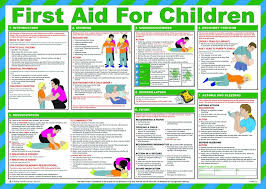
First Aid for Children: What Every Caregiver Should Practice Weekly
When it comes to children, accidents aren’t a matter of “if” but “when.” From scraped knees and nosebleeds to more serious emergencies like choking or allergic reactions, knowing how to respond is crucial. While most parents and caregivers instinctively comfort a child in distress, proper first aid techniques can drastically improve outcomes in an emergency. But just like any other skill, first aid requires practice. And for caregivers, incorporating weekly first aid refreshers can mean the difference between panic and poise.
Why Weekly Practice Matters
You might wonder, “Is weekly practice really necessary?” Absolutely. First aid knowledge tends to fade over time, especially if it’s not used regularly. In high-stress moments, our brains revert to muscle memory. If you haven’t rehearsed your steps, hesitation or mistakes can follow.
Practicing first aid every week doesn’t have to be time-consuming. Even 15–20 minutes reviewing protocols, watching tutorials, or walking through emergency scenarios can help. Children grow fast, and their risks change just as quickly—from choking hazards in toddlers to playground injuries in school-aged kids.
1. CPR for Children and Infants
CPR is one of the most important skills any caregiver can have. For children and infants, the process differs slightly from adult CPR.
- Infants (under 1 year): Use two fingers for chest compressions and gentle breaths.
- Children (1 to 8 years): Use one or both hands for compressions, depending on the child’s size.
Weekly practice tip: Use a CPR dummy or even a pillow to go through chest compression techniques. Time your compressions to the beat of “Stayin’ Alive” by the Bee Gees—yes, really!
2. Choking Response
Choking is a leading cause of injury in children under four. Knowing how to perform back blows and abdominal thrusts (Heimlich maneuver) is essential.
- Infants: Five back blows followed by five chest thrusts.
- Older children: Abdominal thrusts while standing behind the child.
Practice tip: Act out a choking scenario with another adult or a training doll. Repetition ensures automatic response when it matters.
3. Treating Cuts and Scrapes
These are perhaps the most frequent injuries in kids. Clean wounds promptly to prevent infection and use child-friendly bandages.
Weekly focus: Go over your first aid kit. Are the antiseptics expired? Do you have enough adhesive bandages? Practicing wound care on a teddy bear can even be a fun activity with your child.
4. Allergic Reactions and EpiPens
Food allergies are on the rise, and children can experience sudden reactions even if they’ve eaten something before with no issues.
What to know:
- Signs include hives, swelling, difficulty breathing.
- Know how to use an EpiPen and where it’s stored.
Each week, review the steps: remove the safety cap, press into the thigh, hold for 3 seconds, and seek medical attention immediately.
Some caregivers, during training sessions at north york cpr, emphasized how easily one can forget the steps if they’re not rehearsed regularly—especially when panic sets in.
5. Fever and Seizure Management
High fevers in children can lead to febrile seizures, which, while typically not dangerous, are terrifying to witness.
Steps to take:
- Lay the child on their side.
- Do not restrain movements.
- Time the seizure and seek medical help if it lasts more than 5 minutes.
Practice scenario: Walk through what you’d do if your child had a seizure while in bed or during a meal. Where would you move them? Who would you call?
6. Poisoning and Ingestion
Kids are curious by nature. They might taste a cleaning product, eat a plant leaf, or consume medication not meant for them.
Immediate steps:
- Don’t induce vomiting unless directed by poison control.
- Call poison control with the substance name in hand.
Weekly habit: Go through cabinets and check child locks. Refresh your knowledge on which household items are toxic. A fantastic resource for prevention tips is First Aid Plus, which offers detailed guides and training to help keep homes safe.
7. Asthma Attacks and Inhaler Use
Asthma is common among school-aged children. Knowing how to help a child use their inhaler during an attack is critical.
- Assist them into an upright position.
- Encourage slow, deep breaths.
- Administer their rescue inhaler as instructed.
Role-playing weekly scenarios helps caregivers and older children alike become comfortable with the steps. Don’t forget to check expiration dates on inhalers too.
8. Nosebleeds
Although not usually serious, nosebleeds can be alarming for both the child and caregiver.
Do:
- Pinch the nose and lean the head slightly forward.
- Hold for 10 minutes without peeking.
Don’t:
- Tilt the head back (it can cause blood to drain into the throat).
Weekly tip: Practice explaining the process to your child. Empowering them with knowledge reduces their anxiety when nosebleeds occur.
9. Heat Exhaustion and Dehydration
Kids often don’t recognize the signs of dehydration or overheating during active play.
Symptoms to watch:
- Flushed skin
- Dizziness
- Headache or nausea
What to do:
- Move them to a cool place
- Offer water slowly
- Apply cool, wet cloths to their skin
Incorporate weather safety talks into your weekly routine, especially during the hotter months.
10. Knowing When to Call for Help
One of the most underrated first aid skills is recognizing when professional help is needed. Many caregivers second-guess themselves, fearing overreaction.
Signs to never ignore:
- Difficulty breathing
- Unresponsiveness
- Seizures
- Uncontrolled bleeding
Weekly drill: Walk through mock scenarios. For example, what would you do if your child slipped in the tub and lost consciousness for a moment? Who would call 911? Who would manage the child? Practicing roles ensures smoother responses.
Conclusion
First aid isn’t just a one-time certification or an emergency-only skill. For caregivers, it should be a part of weekly routines—right alongside checking school schedules or planning meals. Children are wonderfully unpredictable, and with that comes risk. But with consistent practice, caregivers can turn fear into readiness, transforming emergencies into manageable moments.
From CPR and choking response to allergic reaction management and heat exhaustion, first aid training is an ever-evolving skill set. Make it a habit. Practice weekly. And above all, stay calm—you’re your child’s first responder.