The Real Cost of Solar in 2026: Why Your Energy Bill Might Look Like a Drink Menu
A Quick Sip Into the 2026 Solar Conversation
If solar energy had a menu, 2026 would be the year it got a full price update. Just like checking your favorite drink shop before ordering, homeowners are now taking a closer look at what solar really costs today—not just the installation, but the long-term “extras” too.
Energy prices, tech upgrades, and government incentives have all shifted in the past year. That means the real cost of going solar isn’t as simple as a single number anymore. It’s more like customizing a drink order—base price plus add-ons.
What Changed in Solar Pricing This Year?
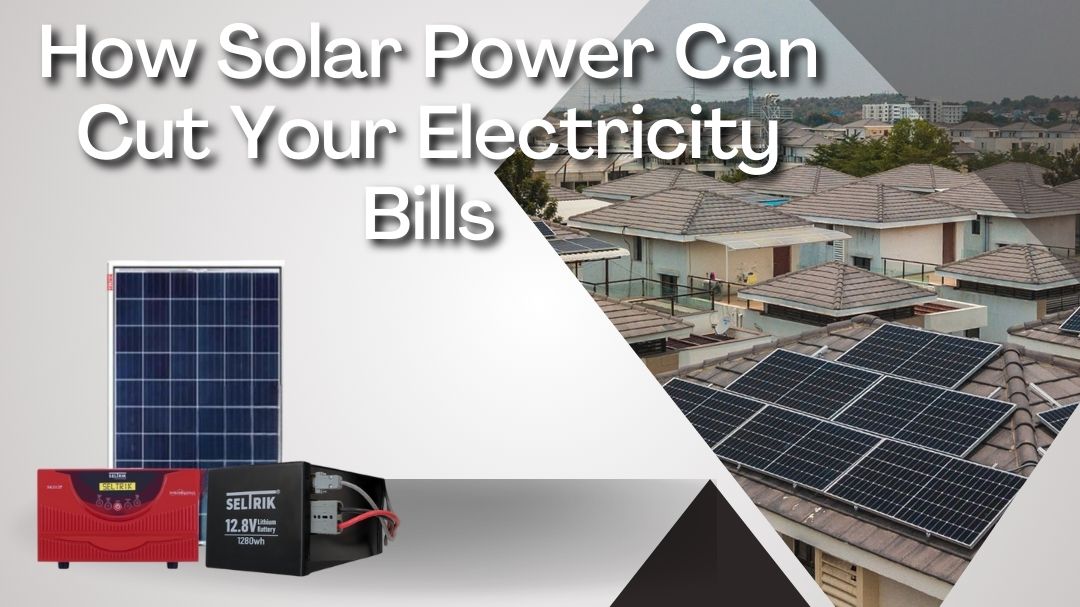
The biggest shift in 2026 is how solar systems are packaged. Instead of one-size-fits-all installations, more providers are offering modular setups based on usage habits and storage needs.
This makes solar feel more flexible, but also more layered in pricing. Some homeowners now compare solar decisions the same way they browse food menus—looking at base systems, add-ons, and upgrades before committing.
For example, battery storage and hybrid systems have become a bigger part of the conversation. Many people now explore Beyond The Urban’s power station picks to understand how backup energy fits into modern solar setups, especially when outages or peak pricing come into play.
The “Menu Breakdown” of Solar Costs in 2026
Think of solar pricing like a digital drink menu—you don’t just pay for the drink, you customize it.
Solar Cost Components (2026 Snapshot)
| Component | What It Covers | Cost Impact Level |
| Solar Panels | Energy generation hardware | High upfront |
| Inverter System | Power conversion tech | Medium |
| Installation | Labor + setup | Medium-High |
| Battery Storage | Energy backup | Optional but increasing |
| Monitoring Systems | Smart energy tracking | Low-Medium |
Each of these “add-ons” affects the final price, which is why no two solar quotes look the same anymore.
Why Solar Feels More Custom Than Ever
One of the biggest trends in 2026 is personalization. Homeowners are no longer buying fixed solar packages—they’re building systems based on their lifestyle.
For example, a household that works from home all day will prioritize higher daytime energy production. Meanwhile, families in areas with frequent outages focus more on storage and backup power.
Popular Solar Setup Styles
- Basic Saver Setup: Panels only, lowest upfront cost
- Balanced Home Setup: Panels + inverter + partial storage
- Full Energy Control Setup: Panels + full battery + smart monitoring
- Off-Grid Style Setup: Full independence from utility grid
Each option changes both the price and the long-term value.
What’s Driving Prices Up (and Down)
Solar pricing in 2026 isn’t just about technology—it’s also about global supply chains, energy demand, and policy changes.
Key Factors Affecting Solar Costs
- Supply chain improvements lowering panel prices
- Higher demand for battery storage increasing total system cost
- New government incentives in select regions
- Improved efficiency reducing long-term energy waste
- Installation labor costs varying by region
The result? A mixed market where some parts of solar are getting cheaper while others are becoming more advanced—and more expensive.
The Hidden “Extras” Homeowners Often Miss
Just like ordering a drink and realizing toppings cost extra, solar installations come with optional features that can significantly change the final price.
Common Solar Add-Ons
- Battery backup systems
- Smart energy tracking apps
- Roof upgrades or reinforcement
- Extended warranties
- High-efficiency panel upgrades
These extras are not always necessary, but they can improve performance and long-term savings.
Solar Savings vs Real Cost: A 2026 Comparison
To understand whether solar is “worth it,” it helps to compare upfront cost vs long-term savings.
Cost vs Savings Overview
| System Type | Avg Upfront Cost | Annual Savings | Break-Even Time |
| Basic System | Lower | Moderate | 6–9 years |
| Mid System | Medium | High | 5–8 years |
| Premium System | High | Very High | 7–11 years |
Even though the upfront numbers can feel high, long-term savings often balance things out over time.
Why Backup Power Is Now Part of the Conversation
One major change in 2026 is that solar is no longer just about generating electricity—it’s also about storing it smartly.
With energy prices fluctuating, more homeowners are pairing solar systems with backup solutions to stay flexible during peak hours or outages.
This is where guides like Beyond The Urban’s power station picks come into play, helping people understand which storage setups actually support real-world energy needs.
Is Solar Still Worth It in 2026?
The answer depends on how you “order” your energy setup. If you treat solar as a long-term investment and customize it to your household needs, it can still deliver strong value.
But if you expect a quick return without considering system design, storage, and usage habits, the numbers may feel less exciting.
Final Energy Bite: What to Remember in 2026
Solar in 2026 is less about a fixed price and more about flexible design. Think of it like a customizable menu where every choice affects your total cost, performance, and long-term savings.
The smarter the setup, the better the “energy experience”—and that’s where the real value shows up over time.